

 03333 704 704

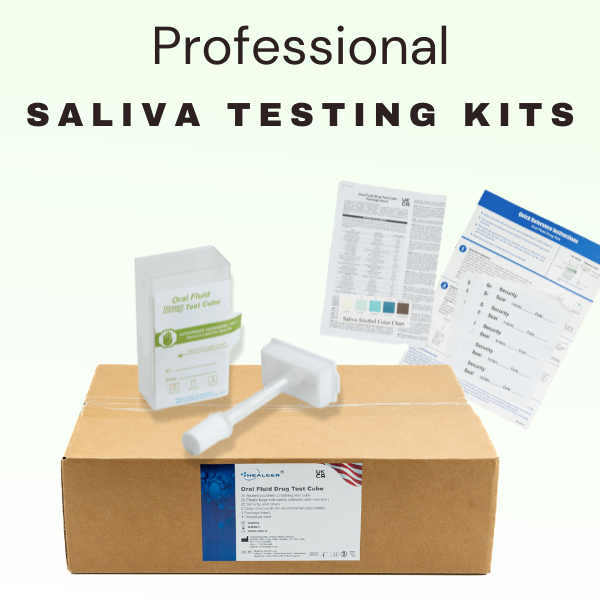
Saliva Drug Testing Kits
Explore Our Collection
Why you can trust Drug Testing Kits UK for advice on choosing the right drug testing products. Our team of UK drug and alcohol safety experts meticulously analyzes current regulations and scientific data while incorporating feedback from real-world users of our products. Additionally, we consult with healthcare and industry professionals to ensure that our recommendations are practical and valuable. This reliable information can guide your decision-making process when selecting drug and alcohol testing kits suitable for your needs.
Figure 1
A rapid drug test showing a bold control line and a faint test line. Any visible test line, no matter how faint, means the result is negative.
Quick answer
A faint line in the test area of a drug test almost always means a negative result. Rapid drug tests work on a present-or-absent principle. Any visible line in the test area, no matter how faint, means the substance is below the cut-off level the test is designed to detect. A fainter line does not mean "a small amount of drug." It means the same thing a bold line means: negative.
If you're unsure, the safest step is to retest with a fresh kit following the Instructions for Use exactly. If the situation is high-stakes, such as workplace testing, legal proceedings, or family court, the sample should be sent to a UKAS-accredited laboratory for confirmation testing.
Why this question comes up so often
Seeing a faint line on a rapid drug test is one of the most common causes of confusion for anyone using a home or workplace drug test kit for the first time. The instinct is that a fainter line must mean a smaller amount of the drug, or that the test is somehow uncertain. Neither is true.
The confusion happens because rapid drug tests work backwards compared to what most people expect. In the sections below, we'll explain exactly how a rapid drug test produces its result, why line intensity doesn't correspond to drug concentration, and what to do if you're still uncertain after reading your result. If your situation is high-stakes and the result matters legally or professionally, we also cover when to send the sample to a laboratory for confirmation.
This guide is written by the team at Drug Testing Kits UK and covers rapid immunoassay drug tests including urine drug test kits and saliva drug test kits. If you're not yet sure which kit is right for your situation, browse our collections at the links above or call us on 03333 704 704 and we'll help you choose.
How rapid drug tests actually work
Understanding a faint line starts with understanding what the line means. Rapid immunoassay tests, the kind used in almost every rapid urine and saliva drug test on the UK market, work in a way that surprises most people the first time they read about it:
The test line appears when the drug is NOT detected. This is the opposite of what most people expect, but it's the reason a faint line means negative.
Here's the mechanism in plain terms. Each test strip contains antibodies that are specifically designed to bind to the drug being tested for. These antibodies are coated with a coloured dye. When the sample is applied to the strip:
- If no drug (or drug below the cut-off level) is present in the sample, the dyed antibodies travel along the strip and bind to a fixed line of substance in the test region (T), producing the coloured test line.
- If drug is present above the cut-off level, the drug in the sample occupies the antibodies before they reach the fixed line. The antibodies never bind to the test region, so no test line appears.
- The control line (C) uses a separate mechanism that reacts regardless of whether drug is present. It confirms the test itself is working properly.
Figure 2, How the test works
How a rapid drug test produces its result. When no drug is in the sample, antibodies bind to the T region and produce a coloured line. When drug is present, it occupies the antibodies before they reach T, so no line appears.
What the different results mean
| What you see | What it means | What to do |
|---|---|---|
| Two lines, one at C, one at T (T can be bold or faint) | Negative. Drug not detected above the cut-off level. | No further action needed for personal use. For high-stakes testing, follow the confirmation procedure in your workplace policy. |
| One line, only at C, no test line at all | Positive. Drug detected above the cut-off level. | Retest with a fresh kit to confirm. For workplace or legal testing, send the sample to a UKAS-accredited laboratory for GC-MS or LC-MS confirmation. |
| No control line at C (with or without a test line) | Invalid. The test did not run correctly and the result cannot be relied on. | Discard the strip and retest with a fresh kit, following the Instructions for Use exactly. |
| Line appears after the reading window | Not a valid result. Lines that develop after the manufacturer's reading window are artefacts, not readings. | Read the result again with a fresh kit inside the specified reading window (usually 5–10 minutes). |
Figure 3, Result patterns compared
Four possible result patterns. Notice the important point: both a bold test line and a faint test line indicate a negative result. Only the absence of a T line is positive.
The key point: Because the test line only requires some antibodies to reach the strip, a faint test line is chemically identical in meaning to a bold one: the drug is below the cut-off level. The strength of the line reflects small natural variations in sample volume, antibody binding, and reading angle, not the concentration of the drug in the sample.
How to read your result correctly
Most cases of confusion around faint lines come from how the test is read, not from the test itself. Following these reading tips will help you interpret your result confidently.
Read inside the manufacturer's reading window
Every rapid drug test kit specifies a reading window in its Instructions for Use: typically 5 to 10 minutes after the sample is applied. Reading the test before this window can produce false-negative appearance because antibodies haven't finished migrating. Reading after this window is worse: as the strip dries, faint lines can appear or intensify as an artefact of the drying process. These late-developing lines are not valid results.
Set a timer. If you're testing at home or in a workplace setting, set a timer for the reading window specified on the pouch. Read the result, photograph it if you may need to refer to it later, and discard the strip.
Read in bright, direct light
Faint lines that are perfectly visible in bright natural daylight can be nearly invisible under office fluorescent lighting or dim indoor lighting. If you're reading a rapid test:
- Read in bright natural light near a window if possible, or under a strong direct lamp.
- Look straight down at the strip, not at an angle. Angled viewing can either hide a genuine faint line or create a false one from shadows or reflections.
- Avoid coloured light sources (warm yellow bulbs can mask faint pink lines; cool blue LEDs can create false shadows).
What to do next: a step-by-step guide
If you're looking at a faint line and unsure what to do, work through the following steps in order.
Figure 5, Decision flowchart
Decision flow for interpreting any rapid drug test result. Start at Step 1 and follow the path. A faint T line is treated exactly the same as a bold T line, both indicate negative.
If you're still unsure after Step 2, the safest step is to retest with a fresh kit. For a urine test, wait 20–30 minutes and provide a fresh sample. For a saliva test, wait long enough that any food, drink, or mouthwash has cleared (at least 10-20 minutes), then collect a fresh sample. If both tests agree, you have your result. If they disagree, escalate to laboratory confirmation.
When to send a sample for laboratory confirmation
A rapid drug test is a screening test. It is designed to identify samples that need further attention, not to produce results that stand on their own for legally binding decisions. In the following situations, laboratory confirmation is standard practice regardless of whether the rapid test showed a faint line or a bold one:
- Workplace positive that may result in disciplinary action or dismissal. A rapid screen positive should always be confirmed at a UKAS-accredited laboratory before any action is taken. Your workplace drug and alcohol policy should specify this two-step process.
- Family court, custody, or probation testing. Legal proceedings require chain-of-custody documentation and laboratory-confirmed results.
- Insurance or medical assessment testing. Insurance investigations and pre-employment medicals typically require confirmed results.
- Any test where the result may be legally challenged. If the person tested is likely to dispute the result, laboratory confirmation is the standard.
- Recovery and abstinence monitoring near the cut-off. Where sustained non-use needs to be verified to a stricter standard than the rapid kit's cut-off, laboratory testing offers lower confirmation thresholds.
How laboratory confirmation works. Confirmatory laboratory testing uses techniques such as gas chromatography-mass spectrometry (GC-MS) or liquid chromatography-mass spectrometry (LC-MS). These methods measure the exact concentration of the substance in the sample, rather than just whether it is above or below a cut-off. This is what makes a result legally defensible.
Most of our workplace urine drug test kits are integrated cups or split-key cups designed to be sealed after use and sent to a laboratory for confirmation if required. If you need help arranging laboratory confirmation for a workplace positive, call us on 03333 704 704 and we'll advise on the process.
Situations where a faint line needs more attention
For most home users, a faint line means negative and that is the end of the interpretation. But there are specific situations where a faint result requires more careful handling.
Recovery, abstinence, and treatment testing
If a person is being tested to confirm sustained abstinence (for example, in a treatment programme, family reintegration, or probation setting), a faint line close to the cut-off may need to be re-tested with a lower cut-off kit or a laboratory confirmation test. A rapid workplace test's cut-off is designed to identify recent use, not to prove non-use to a stricter standard. Treatment programmes often use ultra-sensitive kits with lower cut-off thresholds, or use laboratory testing routinely.
Workplace testing where the result matters legally
In any workplace testing programme where a positive result would trigger disciplinary action, a faint line should never be the basis for that decision on its own, regardless of interpretation. The confirmation step in your policy exists precisely for this: the sample is sent to a UKAS-accredited laboratory, a Medical Review Officer reviews the confirmed result against any declared medications, and only then is the result treated as final.
If your workplace uses urine drug test kits for rapid screening, confirm that your policy specifies:
- Which laboratory receives the sample for confirmation
- Who oversees the chain-of-custody documentation
- Who acts as Medical Review Officer to review positive results
- What the timeline is between rapid screen and final result
You suspect the test kit may be expired or stored incorrectly
Check the expiry date printed on the pouch. Rapid drug test kits typically have a shelf life of 18–24 months from the manufacturing date. Kits stored in extreme heat, direct sunlight, damp environments, or freezing temperatures can produce unusual line intensities or invalid results. If the kit is expired or the storage conditions are doubtful, discard it and retest with a fresh kit from an unopened pouch.
Late-developing lines
Lines that develop after the manufacturer's reading window are not valid results. As the strip dries, faint lines can appear or intensify as an artefact of the drying process. If you missed the reading window (for example, if you set the strip down and returned to it hours later), the result cannot be relied on. Discard it and retest.
Saliva alcohol test pads
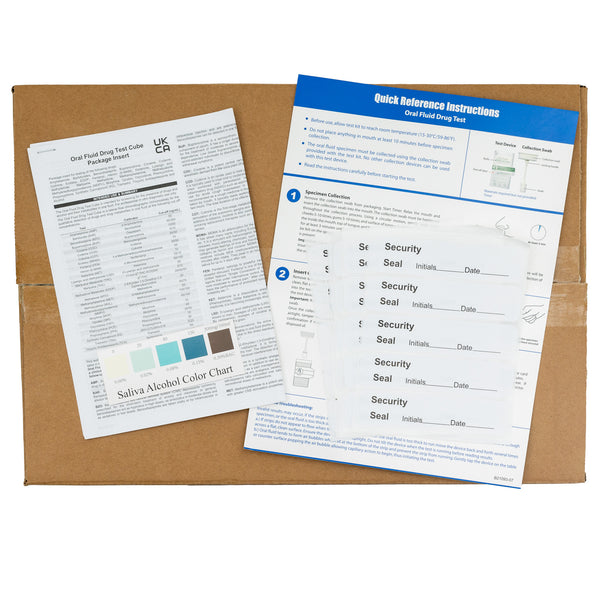
Some saliva drug test kits include a saliva alcohol pad alongside the drug panels. Saliva alcohol pads use a colour-change indicator rather than a line-based immunoassay. A pale or partial colour change on a saliva alcohol pad usually indicates a low level of alcohol at or near the detection threshold. If the result matters for a workplace decision, confirm with a fuel-cell breathalyser reading taken at least 15–20 minutes after any food, drink, mouthwash, or medication has been consumed.
Frequently asked questions about faint drug test lines
Does a faint line mean a small amount of the drug is present?
No. A rapid drug test is not a quantitative measurement. Any visible line in the test area, faint or bold, means the substance is below the cut-off level the test is designed to detect. The line intensity reflects normal variation in the antibody binding process, not the concentration of the drug in the sample. If a small amount of drug were present but still above the cut-off, the test line would not appear at all, the result would be positive.
Can a faint line become a full line later?
Lines that develop after the manufacturer's reading window (typically 5–10 minutes) are not valid readings. As the strip dries, faint lines can appear or intensify, but these are artefacts of the drying process, not true results. Always read the strip within the specified reading window and discard it afterward.
Why did my faint line disappear when I photographed it?
Camera flash and screen glare can wash out a faint line, and low-light photos can hide it entirely. Photograph the strip in bright, indirect natural light, looking straight down, without flash. A well-lit photo taken during the reading window is the most reliable record.
Should I be worried if I got a faint line on a workplace test?
If the test is a workplace screen for a substance you have not used, a faint line means negative, and you have nothing to worry about. If the workplace has a testing policy, that policy should specify what happens next: typically, confirmation testing at a UKAS-accredited laboratory before any action is taken. A faint line on a rapid screen is not on its own grounds for disciplinary action.
What's the difference between a faint line and a "ghost line"?
None. "Ghost line" is an informal term for a faint line that's barely visible on first inspection. Both terms describe the same thing: a light line in the test area that indicates the drug is below the cut-off. If any line is visible in the test area during the reading window, the result is negative.
Can medications cause a faint line?
Some prescription medications can produce a genuine positive result on a rapid drug test if they contain, or are metabolised into, a substance the test is designed to detect, but they do not typically cause a faint line. A faint line means the substance is below the cut-off. If you have taken a medication that might trigger the test and you have a positive result (no test line), declare the medication and request laboratory confirmation, where a Medical Review Officer can review the result in context.
Should I retest if I see a faint line?
For personal use, a faint line is a negative result and no retest is needed. If you are uncertain about how to interpret the result, or if the test may have been affected by expired kit or improper storage, retest with a fresh kit following the Instructions for Use exactly. For workplace or legal testing, follow your policy's confirmation procedure, typically laboratory analysis of the sealed sample.
How accurate are rapid drug tests?
UKCA-marked, MHRA-registered rapid drug tests achieve high accuracy when used correctly and inside their reading windows. Every product we stock at Drug Testing Kits UK meets these regulatory standards. Accuracy depends on the test being used within its expiry date, stored correctly, applied to a fresh unadulterated sample, and read inside the reading window. For legally defensible results, laboratory confirmation testing is required regardless of the rapid screen result.
Where our advice comes from
This guide is written by our team at Drug Testing Kits UK and reviewed against three sources before publication:
- Manufacturer technical documentation: the Instructions for Use, cut-off level data, and reading window specifications supplied by the diagnostic-device manufacturers whose kits we stock.
- UK regulatory guidance: MHRA and GOV.UK guidance on point-of-care diagnostic devices, and Health and Safety Executive resources on workplace drug and alcohol testing.
- Clinical and toxicology literature: peer-reviewed research on immunoassay drug testing accuracy and interpretation.
We are not clinicians and do not provide medical advice on this site. Where a specific result requires clinical judgement, we recommend contacting your GP, pharmacist, or NHS 111. This page is reviewed by our editorial team at least quarterly, and the last review date is shown at the top.
Need help interpreting your result?
If you've bought a kit from us and you're not sure how to read your result, we're here to help. Call us on 03333 704 704 or email sales@drugtests.co.uk during business hours and we'll walk you through what you're looking at.
We can't give a clinical opinion, but we know the kits we sell inside out and we're happy to help you understand your result.
Shop our drug testing kits
All our kits are UKCA marked, MHRA registered, and CE certified. Same-day UK dispatch and tracked delivery.
- Urine drug test kits: integrated cups, split-key cups, and single-panel tests for workplace and home use.
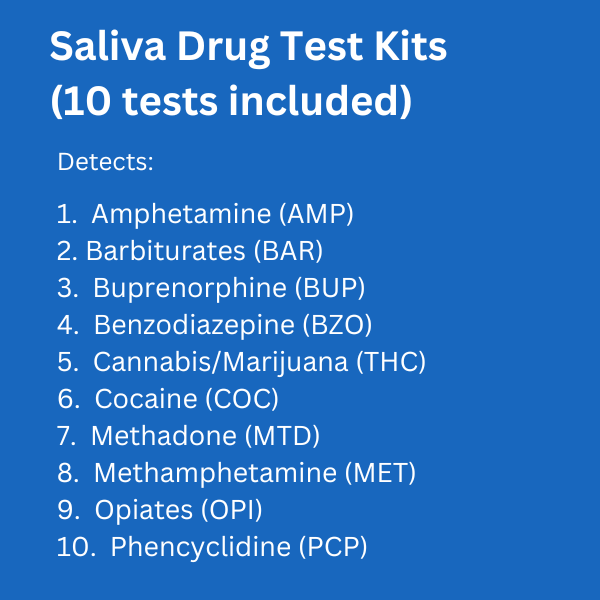
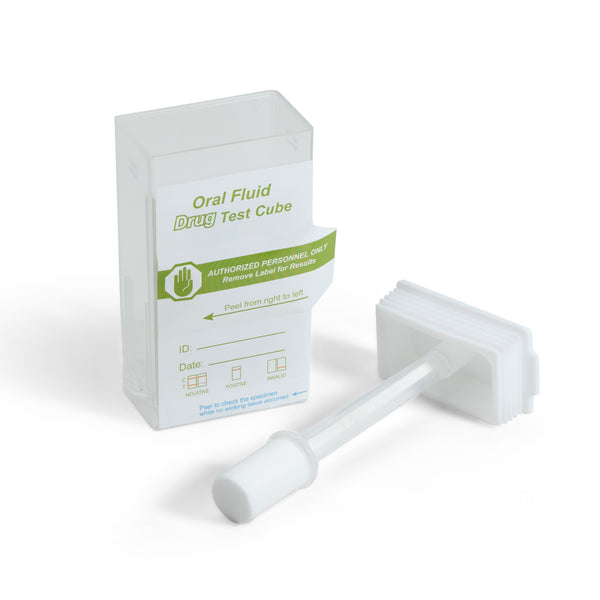
- Saliva drug test kits: oral fluid tests for rapid, non-invasive workplace and roadside screening.
- Browse all products: the full Drug Testing Kits UK catalogue.
Explore our collections